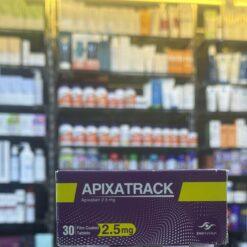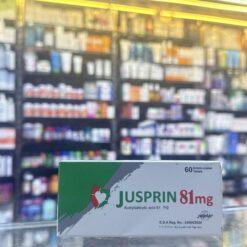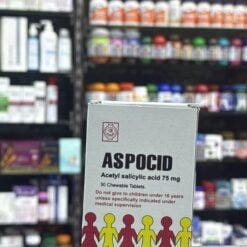


EZACARD TAB 100 MG 30 TABS
51,00 EGP
In stock (can be backordered)
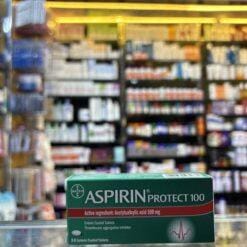
acetylsalicylic acid (aspirin) and are used as a non-steroidal anti-inflammatory drug (NSAID) for pain relief, fever reduction, and anti-inflammatory action. It is also widely used for its blood-thinning (antiplatelet) effect to prevent heart attacks and strokes.
Key Information
- Active Ingredient: Acetylsalicylic acid (Aspirin).
- Form: Enteric-coated tablets (designed to protect the stomach lining).
- Manufacturer: Apex Pharma.
Primary Uses
- Cardiovascular Prevention: Reducing the risk of heart attacks, strokes, and chest pain (angina).
- Pain and Inflammation: Treating mild to moderate pain, inflammation, and fever.
Important Considerations
- Medical Supervision: The use of aspirin for cardiovascular conditions should only be done under the supervision of a healthcare professional.
- Dosage: The dosage and method of use must be determined by a specialist physician.
- Pregnancy: Low-dose aspirin (e.g., 81 mg/day) may be recommended for certain pregnancy-related conditions (like preeclampsia) but generally, NSAIDs should be avoided during pregnancy at 20 weeks or later, unless specifically directed by a doctor.
- Side Effects and Interactions: Like all medications, it has potential side effects and can interact with other drugs. It’s important to consult with a pharmacist or doctor for a complete list and guidance.
| Active Ingredients |
|---|
Related products