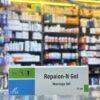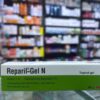


Repaion gel 50 gm
75,00 EGP
In stock
Repaion-N Gel (50 gm)
is a triple-action topical treatment (anti-edematous, anti-inflammatory, and analgesic) used primarily to relieve pain and swelling associated with muscle, joint, and soft tissue injuries.
Repaion-N Gel is prescribed or recommended for:
Soft Tissue Injuries: Contusions (bruises), crush injuries, sprains, and muscle strains.
Joint & Muscle Pain: Myalgia, muscle spasms, neck pain (nuchal pain), lumbago (low back pain),and sciatica.
Inflammatory Conditions: Tenosynovitis (tendon inflammation), acute arthritis, and rheumatism.
Venous Issues: Superficial thrombophlebitis, varicose veins, and care of veins after infusions or injections.
Post-Traumatic Edema: Reducing swelling and hematomas after trauma or surgery.
Application: Apply a thin layer of gel over the affected area.
Technique: It is not necessary to rub the gel in, but you may massage it gently into the skin until absorbed if preferred.
Hygiene: Always wash hands thoroughly after application to avoid accidental contact with sensitive areas.
Safety Warnings & Precautions
Safety Information
External Use Only: Do not ingest the gel or apply it to mucous membranes (mouth, nose).
Avoid Eye Contact: Ensure the gel does not get into the eyes.
Skin Integrity: Do not use on broken skin, open wounds, eczema (atopic dermatitis), or skin ulcers.
Bandaging: Do not cover the treated area with tight (occlusive) dressings or heating pads.
Side Effects: Rarely, it may cause skin irritation, redness, dryness, itching, or a burning sensation.
Contraindications
Do not use Repaion-N Gel if you have:
Hypersensitivity: A known allergy to salicylates (aspirin), Escin, or any of the gel’s other ingredients like lavender or menthol.
Radiation Exposure: Do not apply to skin areas currently being treated with radiotherapy.
Children: Not recommended for children without medical supervision.
Pregnancy & Breastfeeding:
Contraindicated during the first trimester of pregnancy.
Consult a doctor for use in later stages; avoid large skin areas and prolonged use.
Do not apply to the breast area if breastfeeding.
Drug Interactions: Patients taking blood thinners like warfarin should consult a doctor, as excessive topical salicylate can increase the risk of bleeding.
Related products