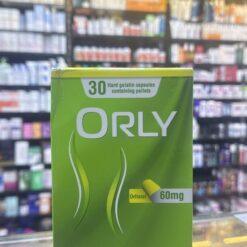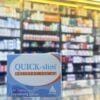


QUICK SLIM 30CAP
240,00 EGP
In stock (can be backordered)
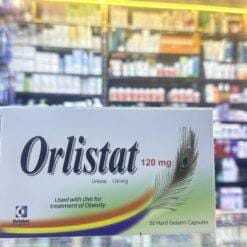
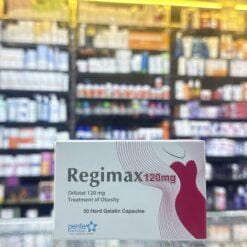
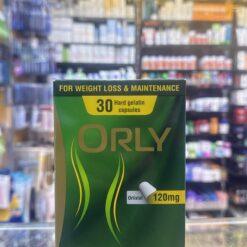
QUICK SLIM (Orlistat 120 mg) Capsules
used as part of a comprehensive weight management plan, which must include a reduced-calorie, low-fat diet and regular exercise. It is prescribed for adults with obesity, or for those who are overweight with additional health risk factors.
How It Works
Orlistat is a lipase inhibitor. It works in your digestive system to block the enzymes that break down about 30% of the dietary fat you consume. This unabsorbed fat is then eliminated from your body through bowel movements.
How to Take It Correctly
Dosage: One 120 mg capsule, up to three times a day (with each main meal).
Timing: Take the capsule with water immediately before, during, or up to 1 hour after a meal that contains fat.
Skipping a Dose:
Skip the dose if you miss a meal.
Skip the dose if your meal contains no fat.
Essential Diet & Supplement Guidelines
1. Manage Your Fat Intake:
To reduce side effects and improve effectiveness, ensure no more than 30% of your daily calories come from fat.
Spread your daily intake of fat, protein, and carbohydrates evenly across three main meals.
2. Vitamin Supplementation is Key:
Orlistat can reduce the absorption of fat-soluble vitamins (A, D, E, and K).
Take a daily multivitamin that contains these vitamins.
Important Timing: Take your multivitamin at least 2 hours before or at least 2 hours after taking Orlistat (e.g., at bedtime).
Side Effects to Be Aware Of
Very Common (Primarily gastrointestinal, often lessen with a low-fat diet):
These are directly related to the medicine’s action and are a sign that you are eating too much fat.
Oily or fatty stools
Oily spotting or leakage from the rectum
Gas with discharge
Increased bowel movements or urgency
Difficulty controlling bowel movements
Serious (Stop taking and consult your doctor immediately if you experience):
Symptoms of a severe allergic reaction (e.g., rash, itching, swelling, severe dizziness, trouble breathing)
Signs of liver problems (e.g., yellowing of skin/eyes, dark urine, severe stomach/abdominal pain, persistent nausea)
Severe or persistent stomach pain, which could be a sign of rare kidney or pancreatic issues.
| Active Ingredients |
|---|
Related products