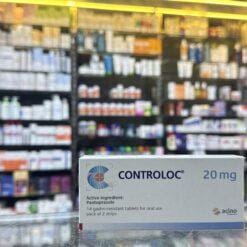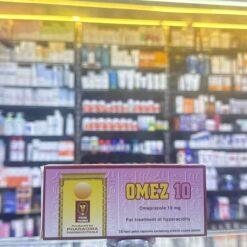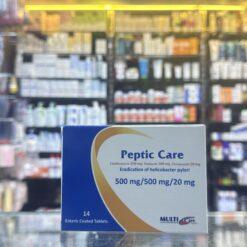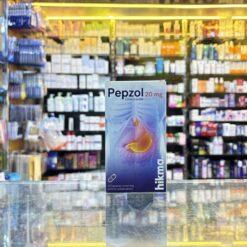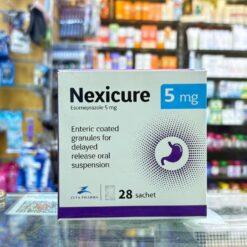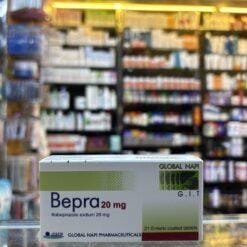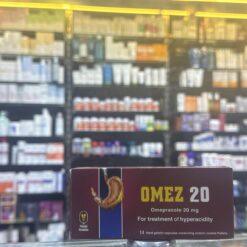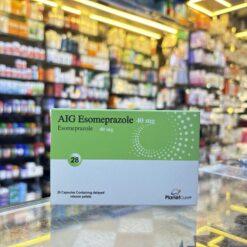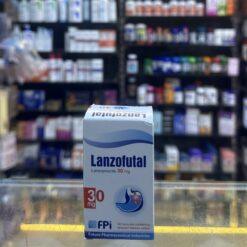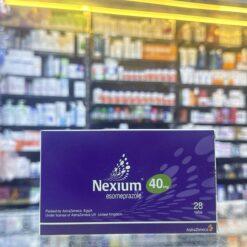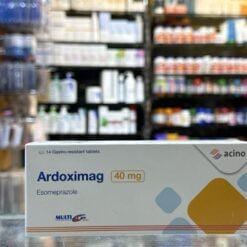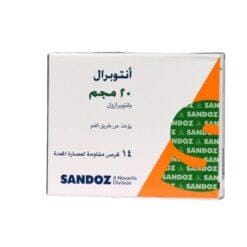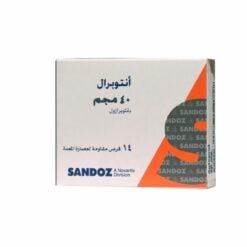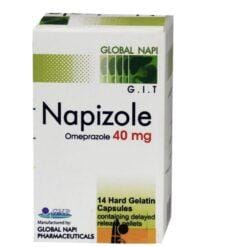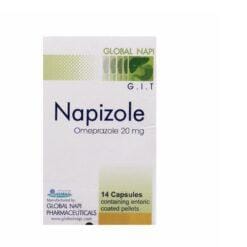

PEPZOL 40MG 14CAP
81,00 EGP
In stock (can be backordered)
- Active Ingredient: Omeprazole.
- Purpose: Omeprazole works by blocking the “proton pumps” in the stomach lining, thereby decreasing the amount of acid produced.
Common Uses
- Gastroesophageal Reflux Disease (GERD): A condition where stomach acid flows back into the esophagus, causing heartburn and injury to the esophagus lining.
- Erosive Esophagitis: Inflammation and damage to the esophagus caused by stomach acid.
- Stomach and Duodenal Ulcers: Sores in the lining of the stomach or the first part of the small intestine.
- Helicobacter pylori (H. pylori) infection: Used in combination with antibiotics to treat this bacterial infection that causes ulcers.
- Zollinger-Ellison Syndrome: A rare condition where the stomach produces excessive amounts of acid due to tumors.
- NSAID-associated ulcers: To treat or prevent ulcers caused by taking nonsteroidal anti-inflammatory drugs (NSAIDs).
Important Precautions & Side Effects
- Administration: Capsules should be swallowed whole with water, preferably in the morning on an empty stomach, at least one hour before a meal. Do not chew, crush, or break the capsule contents.
- Common Side Effects: Most side effects are mild and may include headache, diarrhea, nausea, vomiting, stomach pain, gas, and dizziness.
- Long-Term Use Warnings: Prolonged use (over a year) may increase the risk of bone fractures, low magnesium levels (hypomagnesemia), and vitamin B12 deficiency. Your doctor may recommend supplements if long-term use is necessary.
- Interactions: Omeprazole can interact with other medications, including certain blood thinners (like warfarin and clopidogrel), HIV medications (like nelfinavir), and some antifungals.
| Active Ingredients |
|---|
Active Ingredients
Omeprazole 40mg
Peptic Ulcer.proton Pump Inhibitor
Known internationally as:
Losec
GBUnited Kingdom (UK)
Prilosec
USUSA
Лосек
RURussia
Also on the shelf in Egypt as:
Full guide to Omeprazole →
Estohalt
Fastcure
Napizole
Omepak
Omez
Pepzol
⚠ This information is for identification only. Always confirm dosage with a pharmacist at TourCare Pharmacy, Hurghada.
Related products