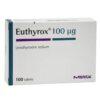

Carbimazole tab 5mg
60,00 EGP
Function: It works by inhibiting the thyroid peroxidase enzyme, which prevents the thyroid gland from producing excess thyroid hormones (T3 and T4).
Usage: It is a common treatment for hyperthyroidism caused by conditions such as Graves’ disease. It can be used as a sole therapy or to prepare patients for thyroid surgery or radioactive iodine treatment.
Dosage & Administration: It is typically taken orally in tablet form, often in divided doses. Treatment often lasts for 12 to 18 months, but some people may need it for life.
Availability: It is available in many countries, including the UK and Australia, but not typically in the United States, where methimazole is used instead.
Important Precautions and Side Effects
Serious Side Effects (Seek immediate medical attention):
A rare, but serious, side effect is a significant drop in white blood cell count (agranulocytosis), which increases vulnerability to infection.
Symptoms to watch for: Sore throat, fever, mouth ulcers, or general malaise.
Action: If these symptoms occur, stop taking the medication immediately and consult a doctor for a blood test.
Other serious issues can include signs of liver problems (yellow skin/eyes, dark pee) or acute pancreatitis (sudden, severe stomach pain).
Common Side Effects:
Common side effects usually happen within the first 8 weeks of treatment and may subside over time.
Skin rash and itching
Nausea and stomach upset
Headache, muscle, and joint pain
Changes in taste or hair loss
Pregnancy and Fertility:
It is important to use contraception while taking carbimazole, and speak with a doctor if trying to conceive or if pregnant. The dosage requires careful monitoring during pregnancy, and sometimes an alternative medication, propylthiouracil (PTU), may be preferred, especially in the first trimester, due to risks of congenital malformations with carbimazole.
Lifestyle Considerations
Diet: Doctors may recommend a low-iodine diet, as iodine is needed to make thyroid hormones, and high-iodine foods can worsen symptoms.
Alcohol/Caffeine: These can worsen dizziness, a potential side effect of the medication.
Interactions: Tell your doctor about all other medicines you are taking, as carbimazole can interact with certain medicines, including blood pressure medications and blood thinners like warfarin.
| Active Ingredients |
|---|
Related products